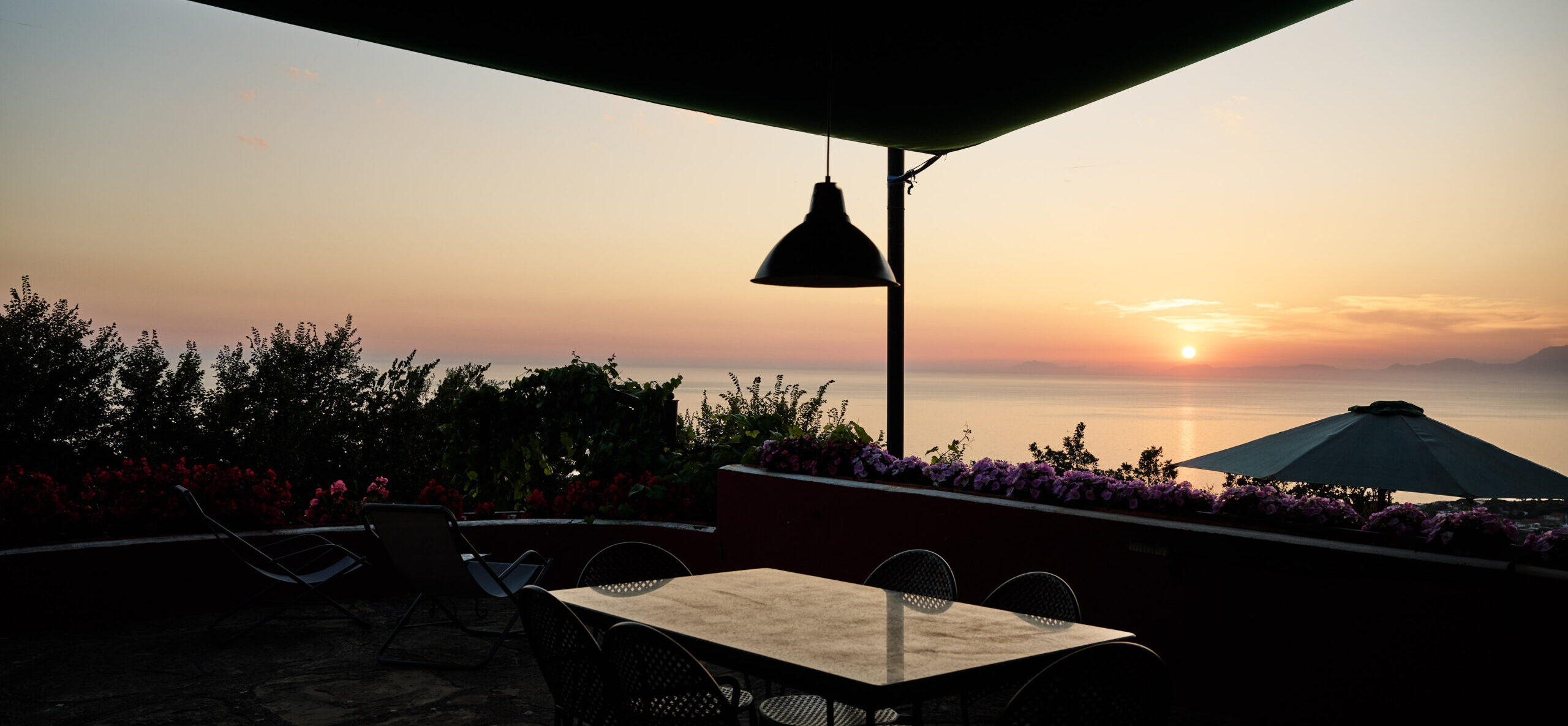
How does a creative retreat become an artistic concept, and how does an idea evolve into a new artists’ group? For Peter Buchholz, geologist, artist, and initiator of the Neo-Affichists, the creative fellowship at A’ Cràpa Mangia was an important starting point. In March 2024, he spent four weeks at the estate together with his wife. He used the time not only for his own artistic work, but above all for research and developing a concept that ultimately led to the formation of the artists’ group The Neo-Affichists.
In December 2026, the group will present its work at Kunststation Kleinsassen. We spoke with Peter Buchholz about his work, the origins of the group, and the special role A’ Cràpa Mangia played in the process.
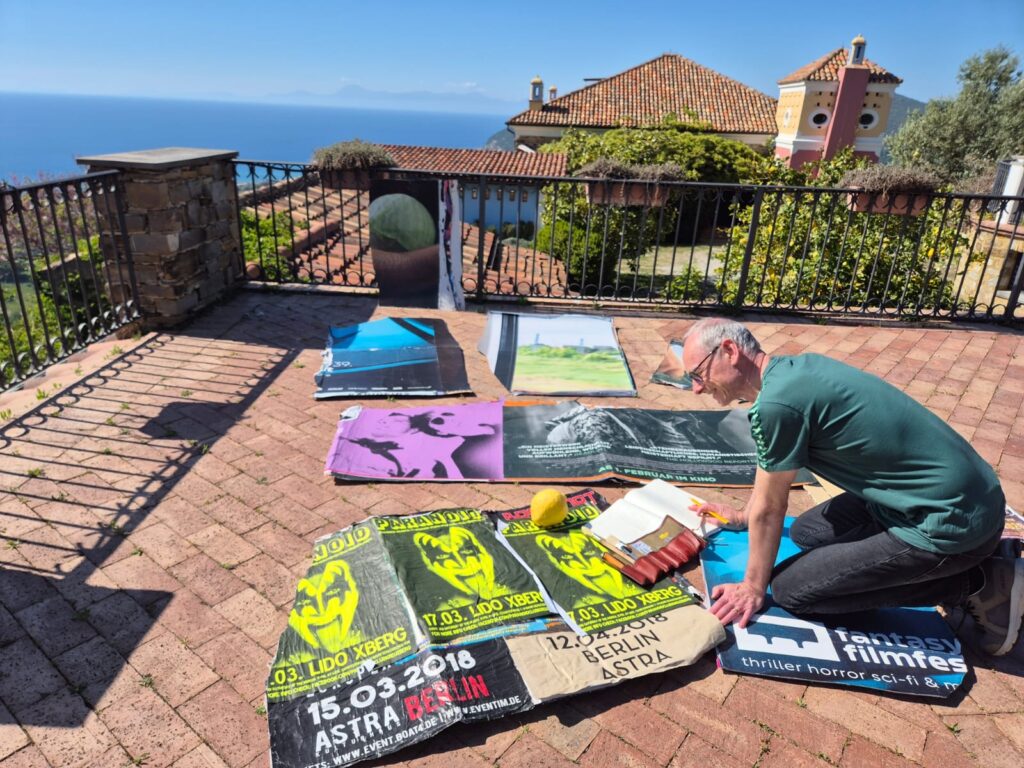
I am a geologist and an artist. As a geologist, I am fascinated by materials and colours. I came to working with posters more or less by chance.
In 2002, my wife and I moved with our family from Africa to Berlin. We lived in a typical Berlin apartment with a Berliner Zimmer and were fascinated by the vibrancy and colourful posters of Berlin’s cultural scene. One day, I decided to tear down one of these posters and hang it on the wall of our Berliner Zimmer.
While cleaning the poster, pieces of paper came loose, and suddenly surprising and fascinating details from deeper layers began to emerge. As a geologist, who is naturally interested in layers, I was immediately fascinated. I began exposing intriguing structures within layers of old posters. At the same time, these layers tell stories about the passage of time and the urban environment. That is how I found my artistic subject.
At the time, we were searching online for a place that met certain criteria: beautiful beaches, easy to reach by plane from Berlin, less than two hours’ drive to the accommodation, and at the same time close to a city with a diverse cultural offering. We also placed great importance on finding a truly beautiful place to stay.
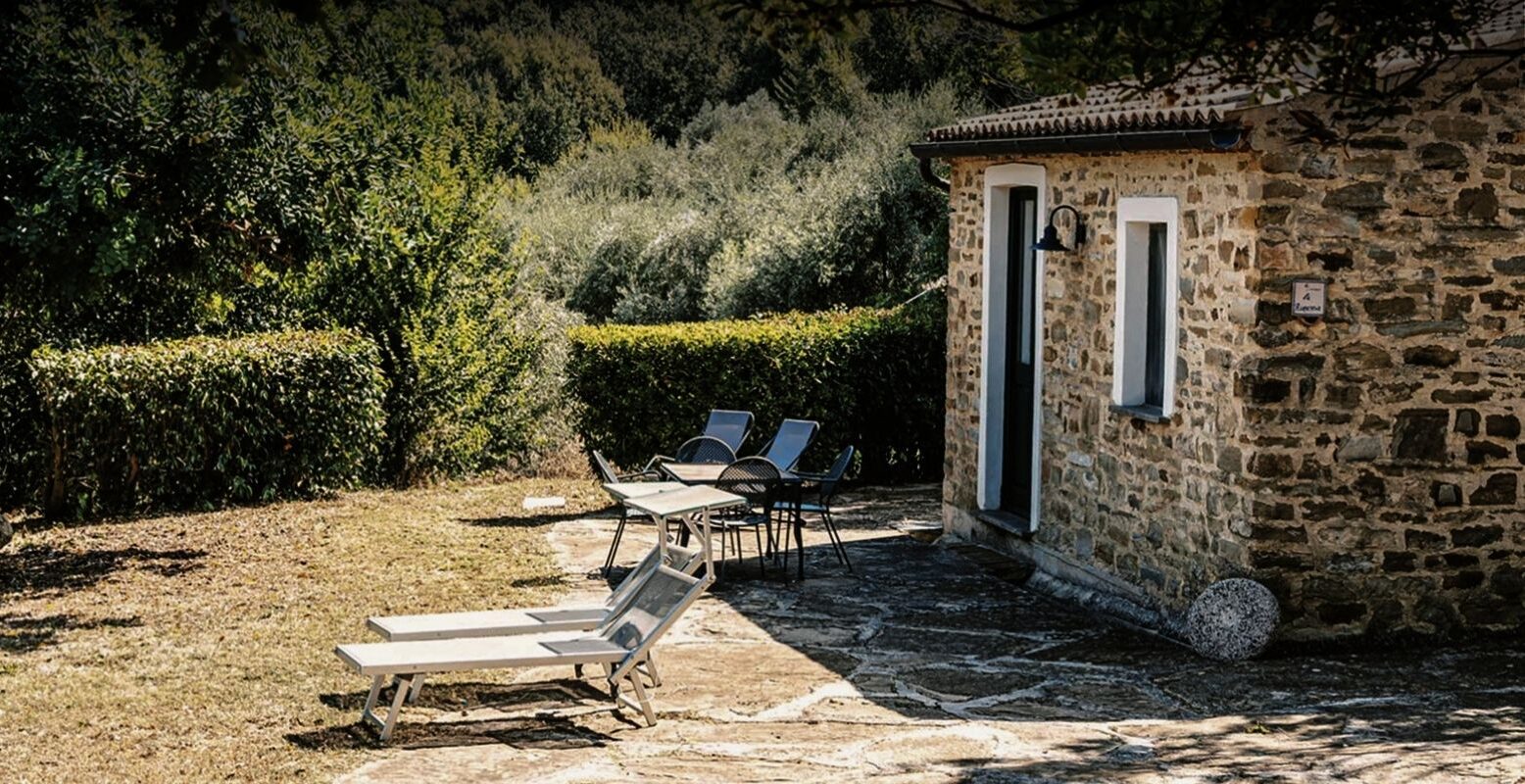
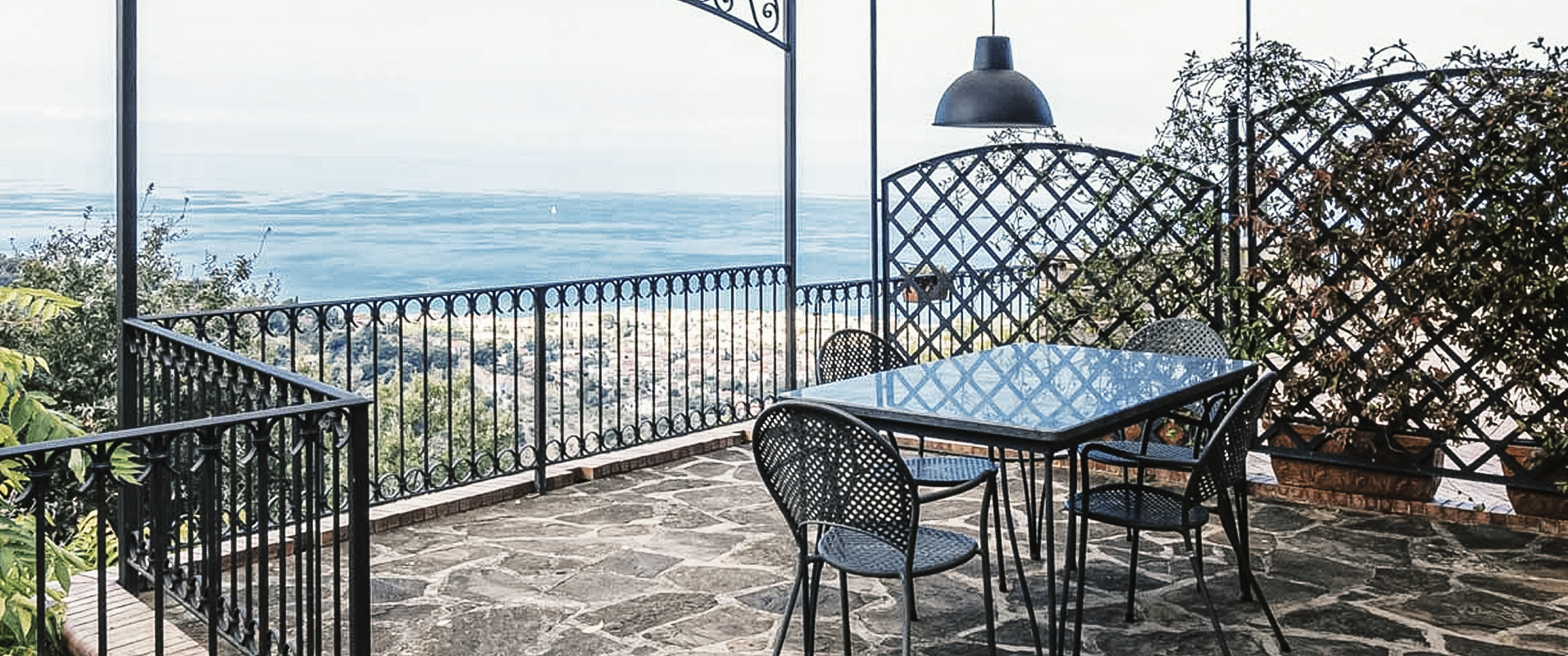
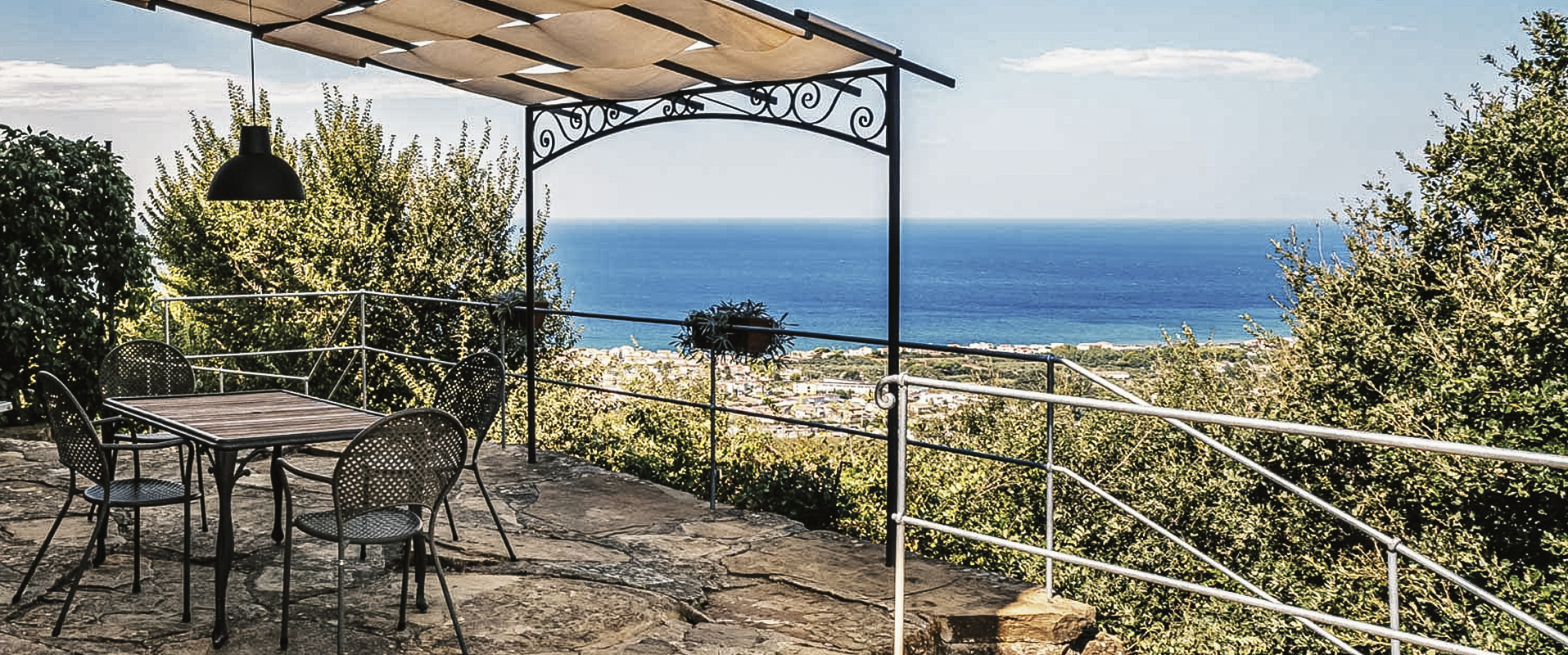
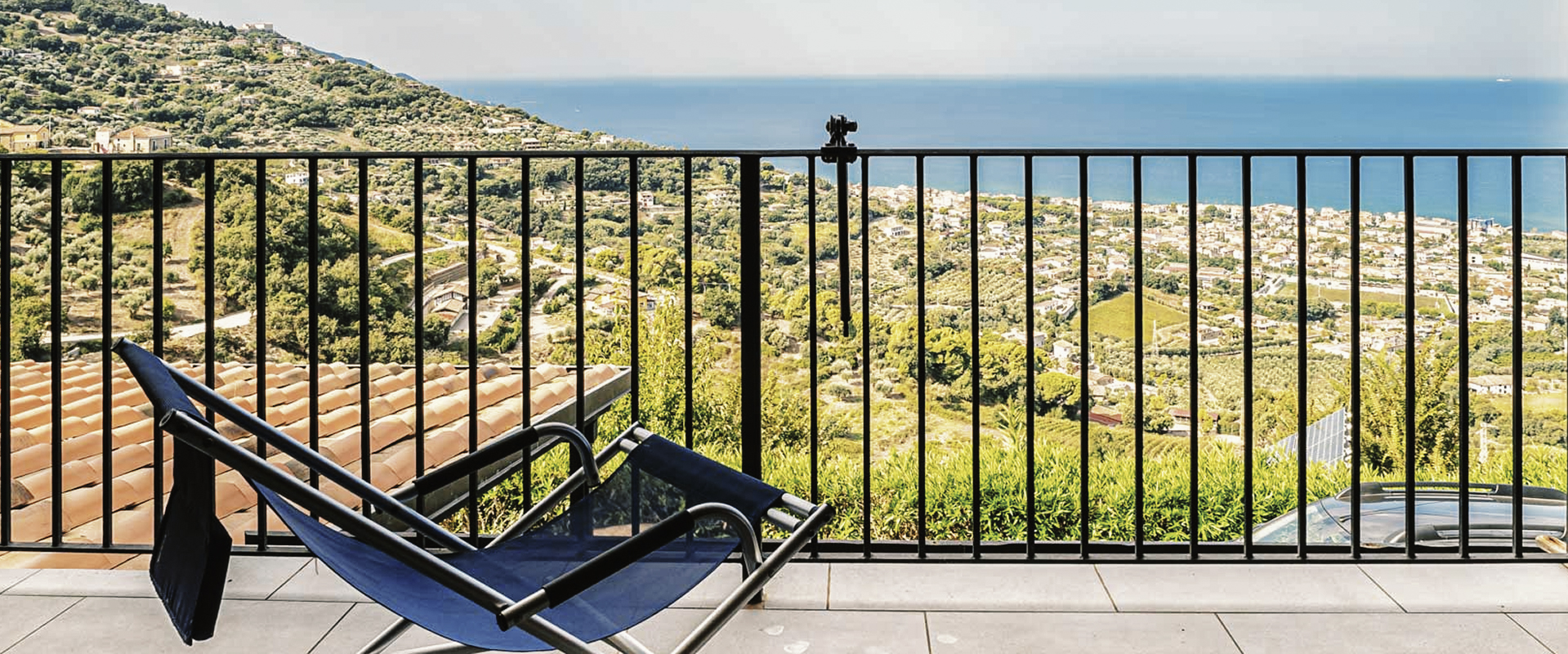
For my work, a seaside location is particularly well suited. To expose the layers with a cutter, the posters have to be soaked and then dried again. In sunshine and a light breeze, this happens particularly quickly. A’ Cràpa Mangia is ideal for this: a place in the sunshine, surrounded by nature and with a view of the sea.
I created my first poster work in 2007, and I first visited A’ Cràpa Mangia around 2009. Since then, the place has remained a special place of longing for my wife and me, and for me it is also a wonderful open-air studio.
Through Lucia, the good soul of the estate, and the newsletter. To be honest, at first, as an artist, I felt that I wasn’t yet quite ready for a fellowship because I am self-taught. But the first reports from previous fellows in the newsletter made me realise: this could be something for me, too. The fellowship creates space for ideas to develop.
The technique of altered poster tearing originally goes back to the Affichistes of the 1950s and 1960s. The last artist of this group died in 2022. At the time, I thought: Surely I can’t be the only crazy person still working with this medium. I found the idea exciting that this artistic movement should not die out, but could instead be developed further by a new generation of artists.
That is how the idea of founding an artists’ group emerged. A little later, A’ Cràpa Mangia’s offer of a creative fellowship reached me at exactly the right moment. I applied in autumn 2023 and, in March 2024, spent the creative fellowship at A’ Cràpa Mangia together with my wife.
I used the fellowship primarily to develop a concept for how to position a new artistic style, identify other artists, and build a new artists’ group. I wanted to find artists who had already taken the work of the Affichistes further.
The four weeks were therefore a combination of research, conceptual work, and creating my own art. I was able to focus on the idea in peace and quiet while also enjoying the nature, relaxation, and cultural offerings of the surrounding area. My wife also inspired me artistically. This combination was an incredibly important source of support and help for me.
I mainly used the mornings to create artworks from the posters and to take advantage of the sunshine for drying them. In the afternoons, I focused more on research and developing the concept. In between, there were breaks for shopping, an excursion, or coffee and cake with my wife.
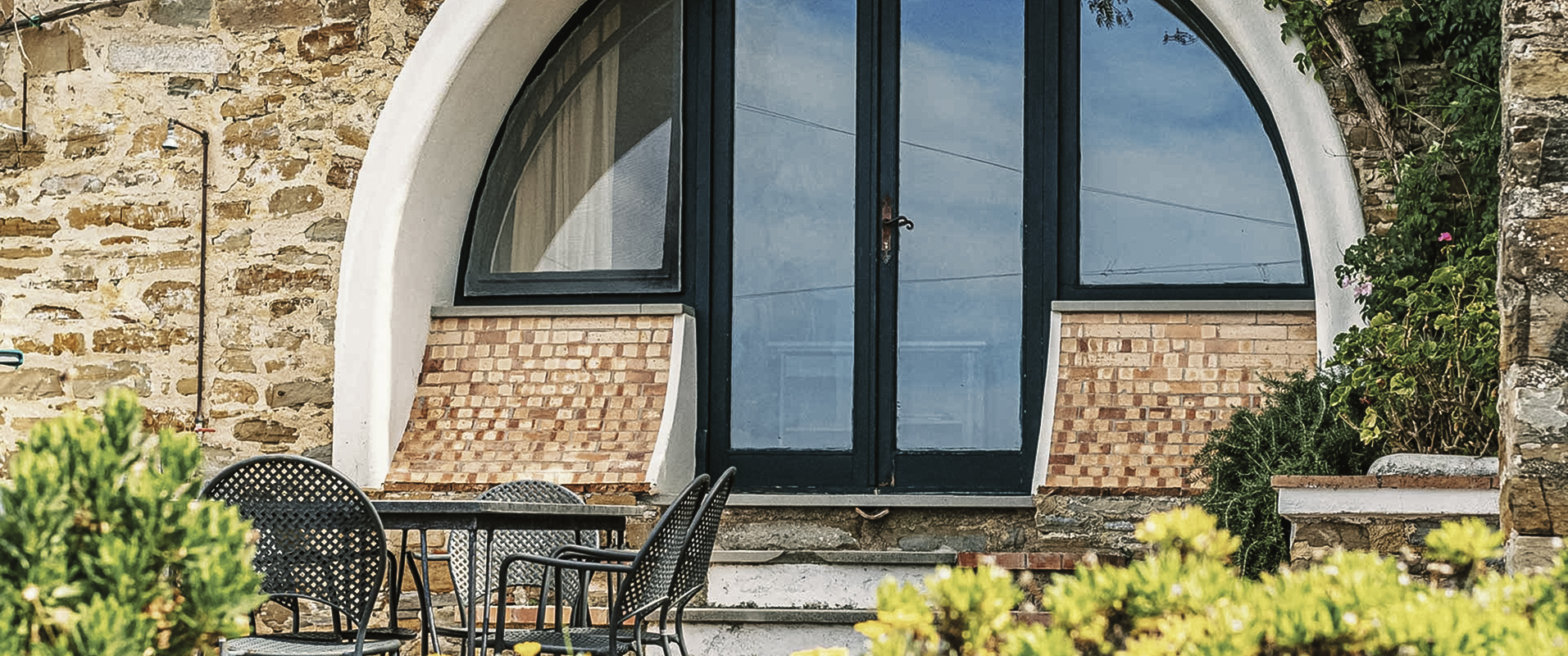
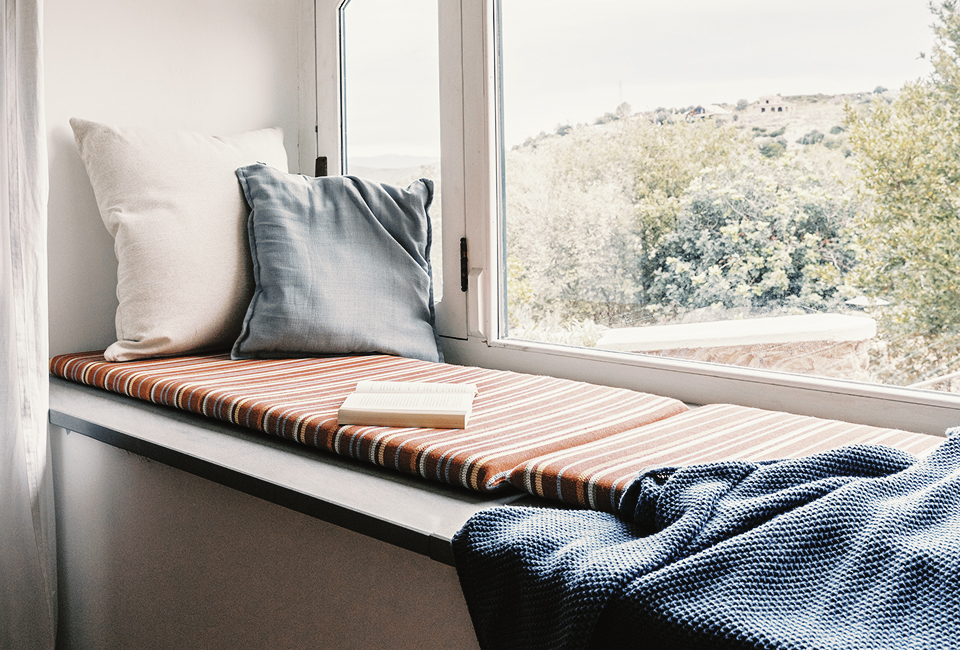
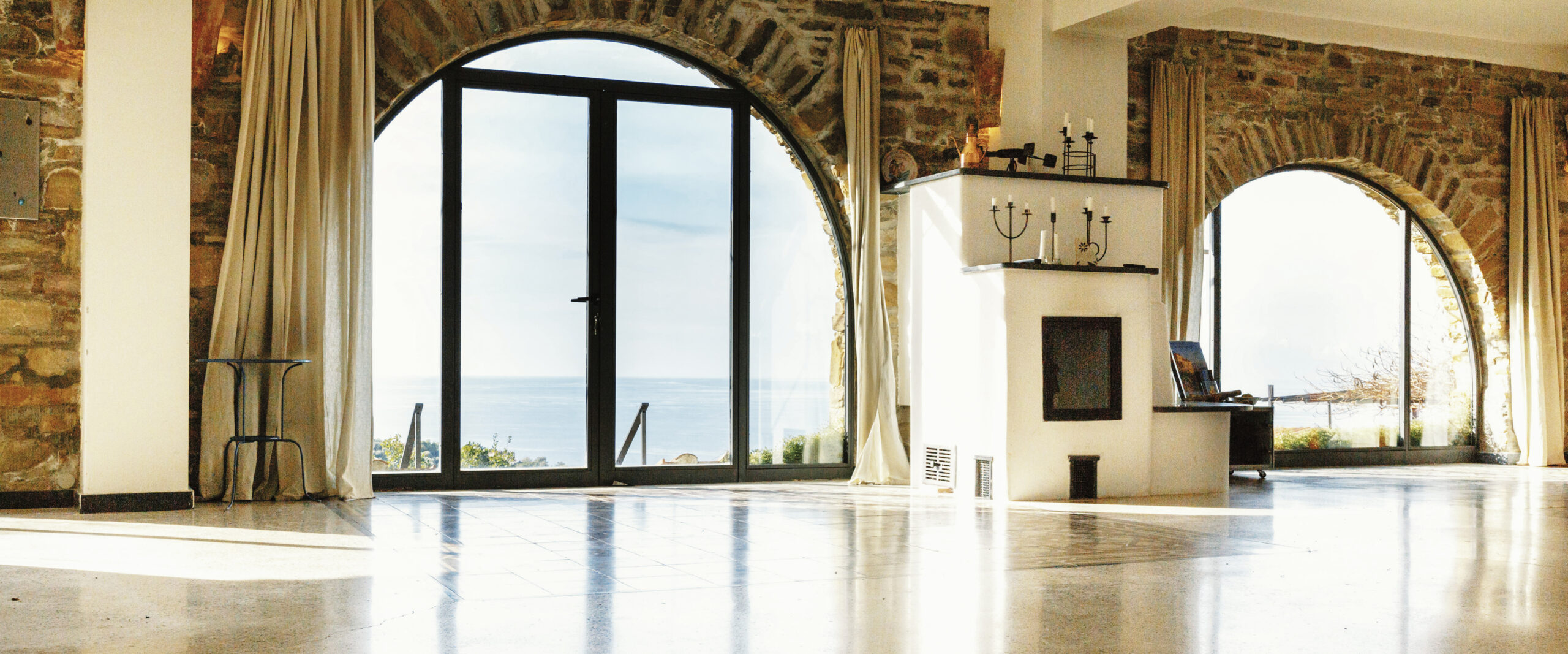
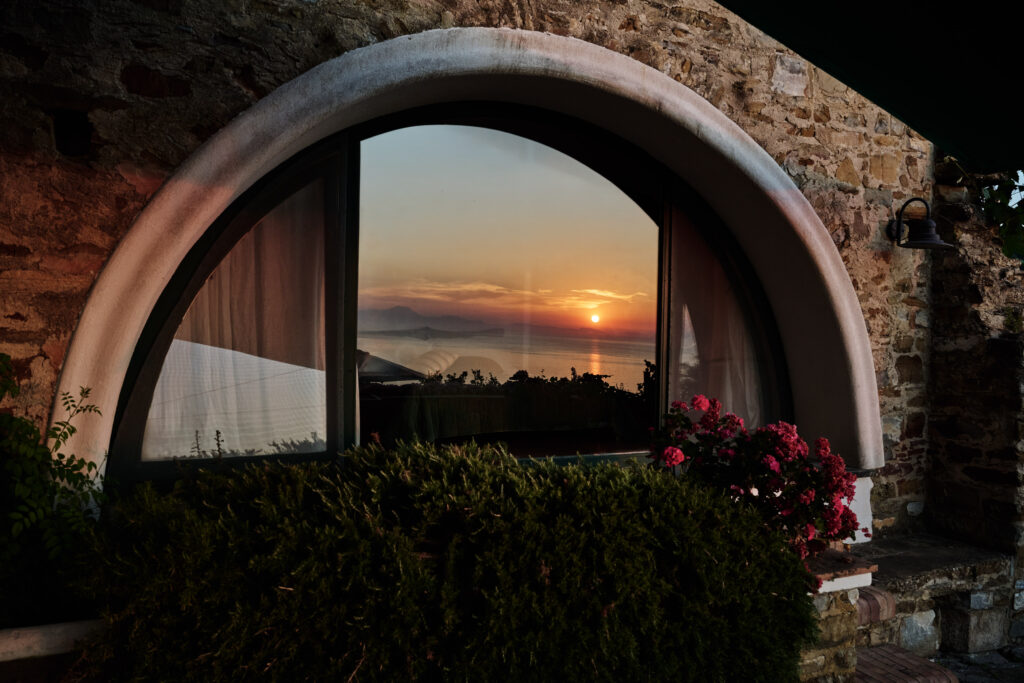
We stayed in the Arco apartment. Thanks to the large arched windows, even in bad weather we could comfortably observe the sea and the dramatic force of thunderstorms and storms from indoors. March is a particularly good time to enjoy the experience of nature both outdoors and indoors.
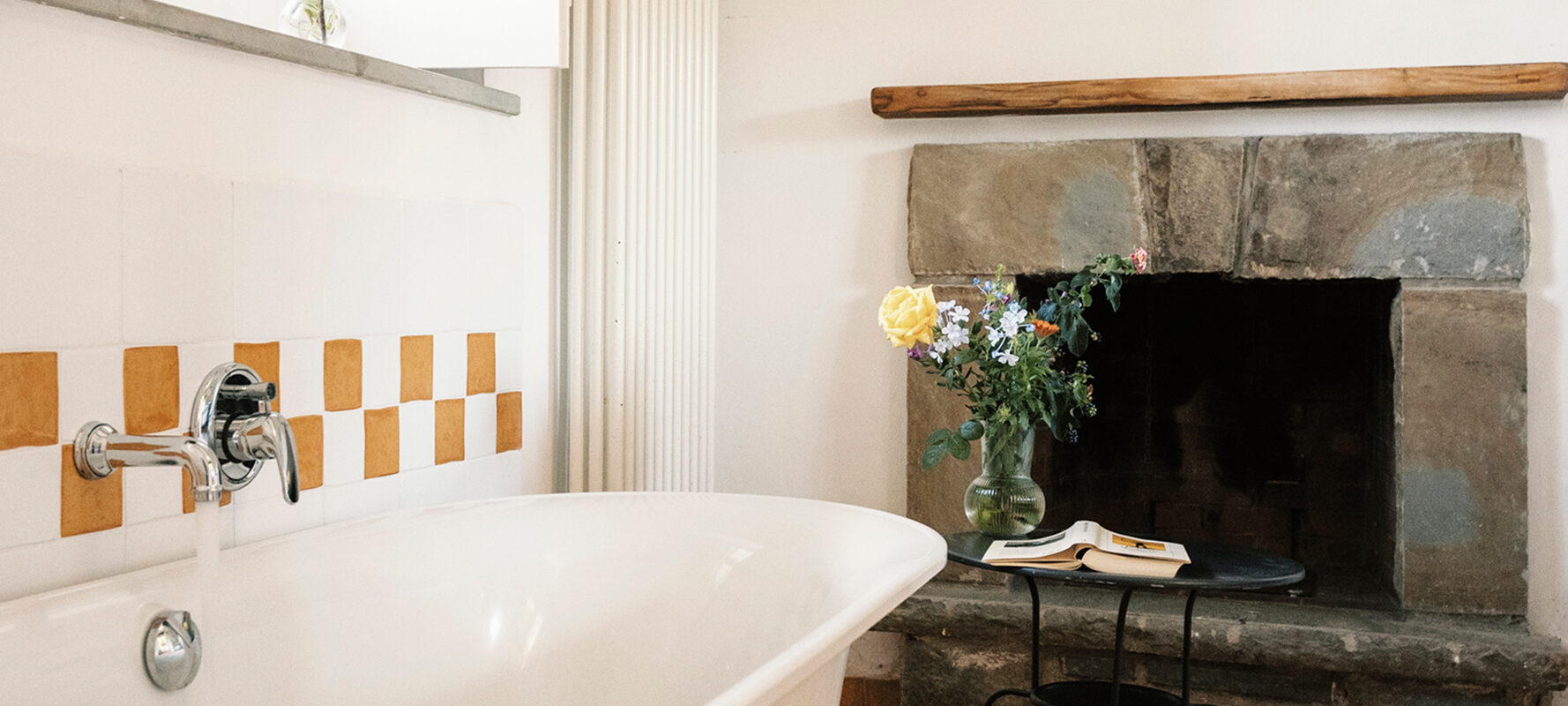
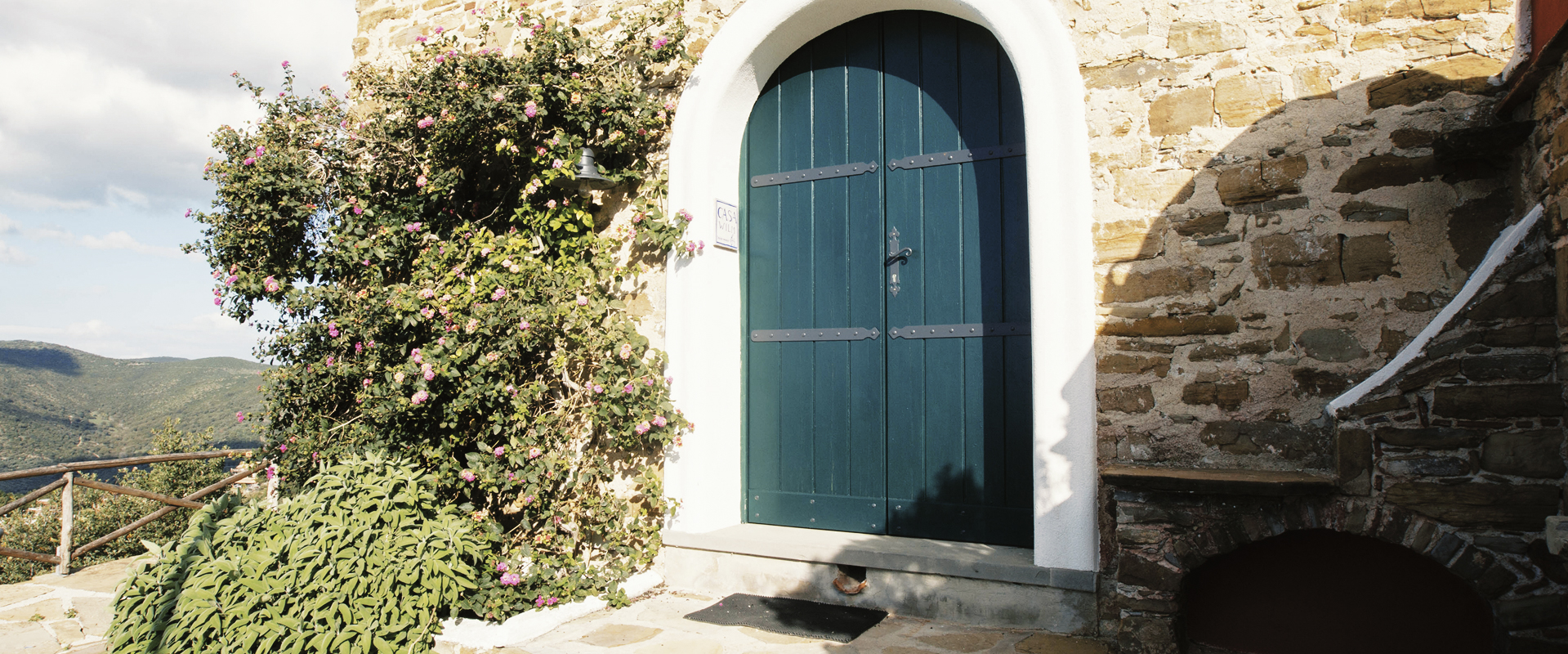
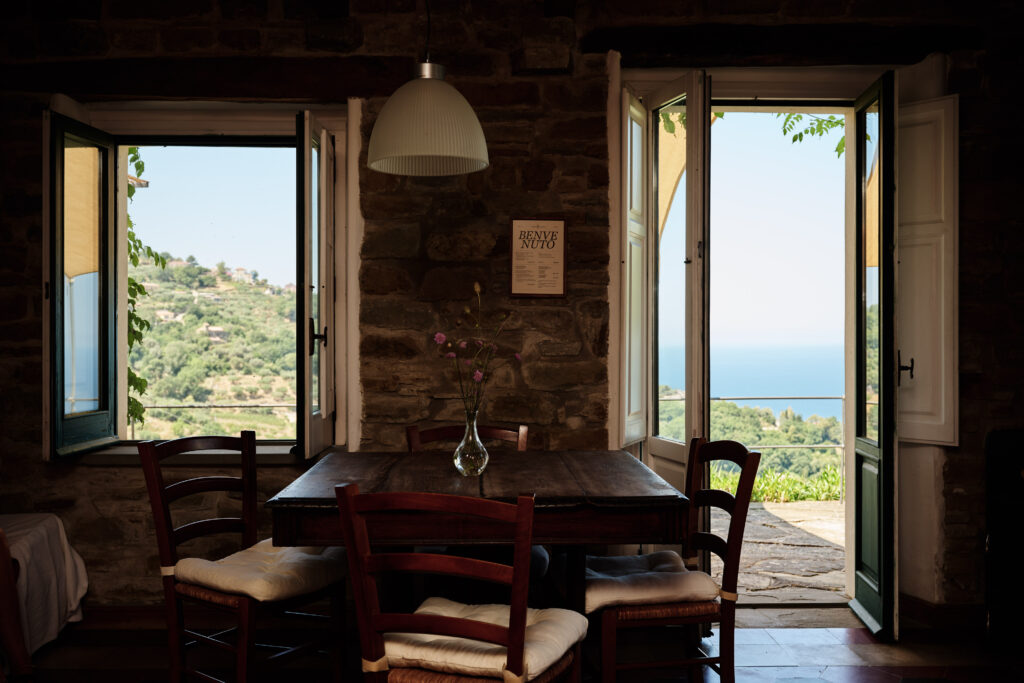
The estate has been restored with an incredible amount of love and attention to detail. The antique tiles, the stone construction, and the many little details give it a wonderful charm.
The rooms are also well equipped, making it easy to cater for yourself. And then there is the team, who are so friendly and do their best to anticipate your every wish. That is quite unique, too.
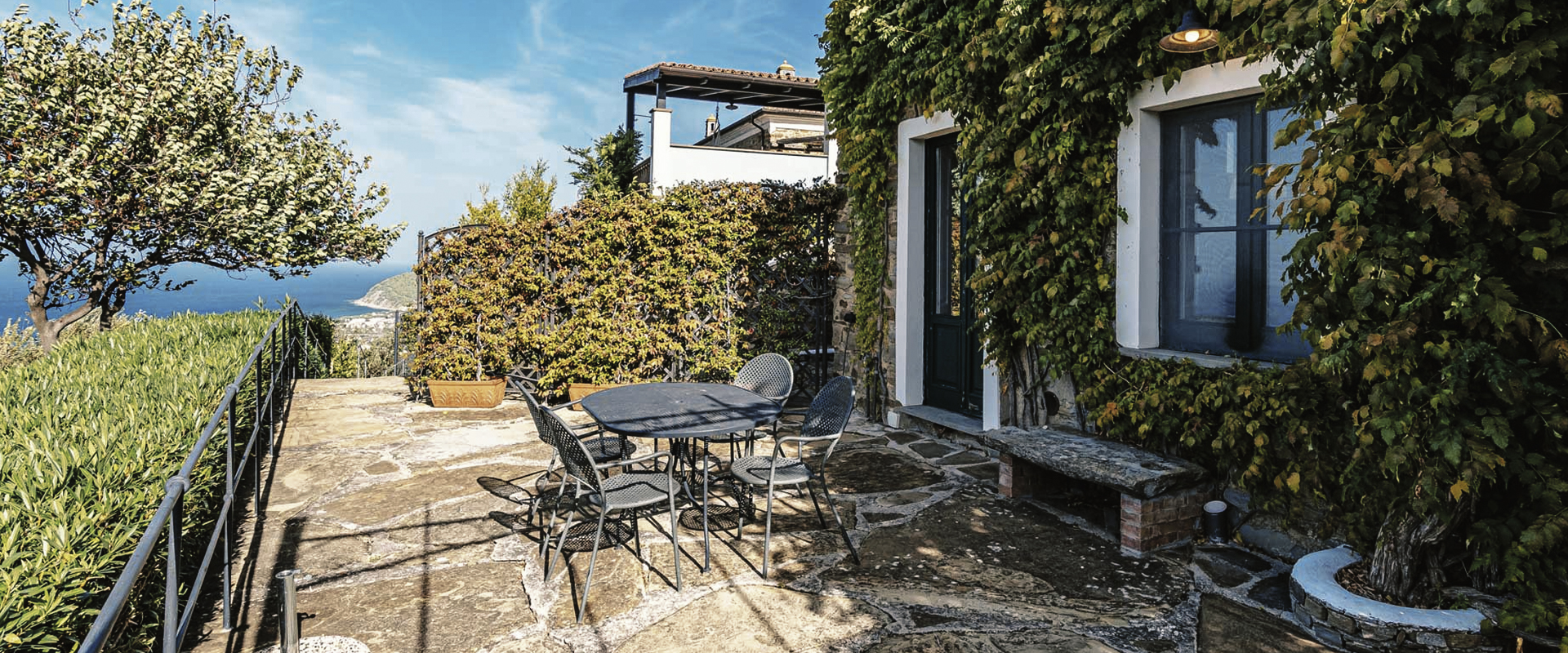
The location is particularly special, of course. A’ Cràpa Mangia is integrated into the natural landscape and sits on a rocky promontory overlooking the entire bay. You can see the old town of Castellabate, as well as Capri and the Amalfi Coast. Walking across the sandstone slabs warmed by the afternoon sun is simply a wonderful feeling.
It gives people the opportunity to simply put an idea into practice. For me, that was exactly what I needed. I was able to use the place for research and conceptual development while continuing to develop my own art at the same time.
In summer 2025, I approached the artists whom I wanted to win over to the idea. In September, we had our first online meeting with the eight artists. Everyone was enthusiastic about the idea of founding an artists’ group.
The particular challenge—and at the same time the goal of the group—is to explore how we can position the new style we have developed from the art of the Affichistes within art history. Our vision is to carry the art of the Affichistes into a new era through our work and to develop a new style within this artistic movement.
From 13 December 2026 to 21 February 2027, Kunststation Kleinsassen will present the exhibition “Next Generation. The Neo-Affichists.” Under the subtitle “Décollages Between Painting and Sculpture,” the exhibition presents different artistic positions from the artists’ group founded in Berlin in 2025. Drawing on the traces and layers of urban posters, the artists create works that move between collage, painting, objects, relief, and sculpture